Biometric Synchronization Transforms Dynamic Betting in British Virtual Card Tables and Reel Sequences
Quinn Wagner · Jul 28, 2026
Biometric Synchronization Transforms Dynamic Betting in British Virtual Card Tables and Reel Sequences
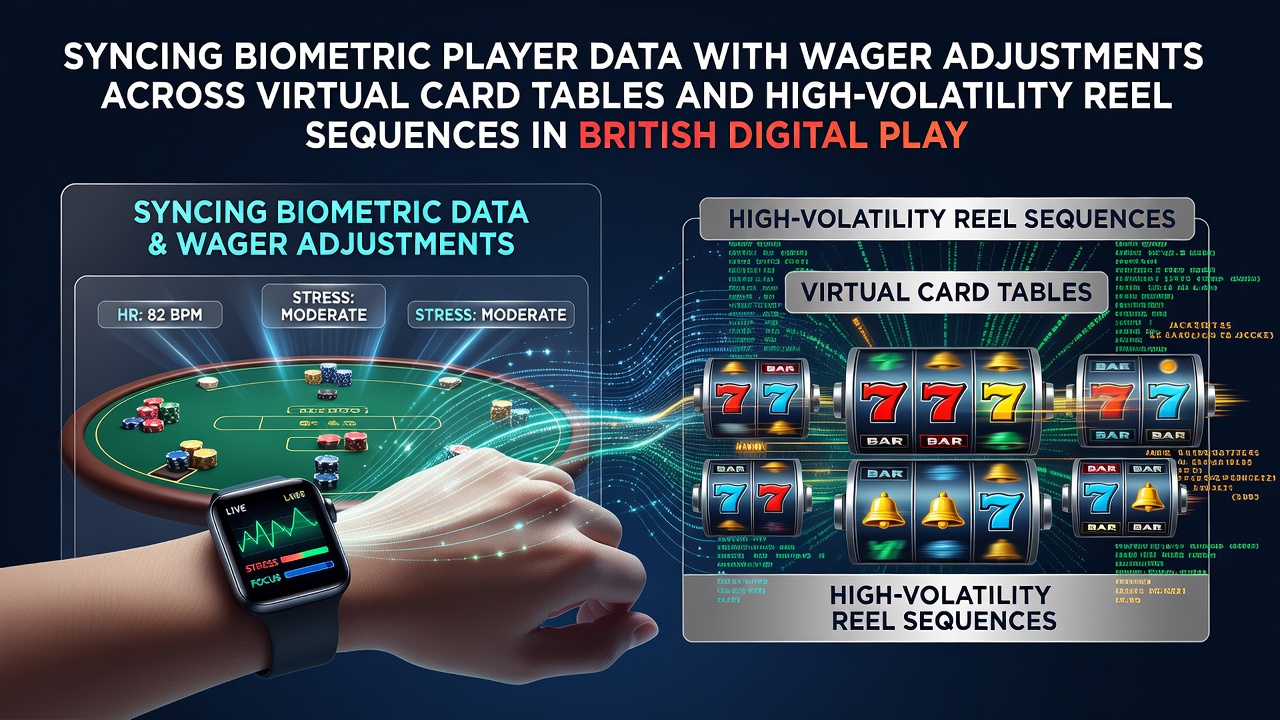
Biometric data from players now connects directly to wager systems across virtual card tables and high-volatility reel sequences in British digital play, allowing real-time adjustments based on physiological signals such as heart rate variability, skin conductance, and eye tracking patterns. Systems collect these inputs through device cameras and wearable integrations then feed them into algorithms that modify bet sizes, spin frequencies, and table limits without player intervention at the moment of change. Data from industry reports shows adoption of such frameworks increased steadily through 2025 with further platform updates scheduled for July 2026 across multiple operators.
Core Mechanisms Behind Biometric Wager Linking
Virtual card tables use facial recognition and pulse detection to monitor player arousal levels while high-volatility reel sequences track session duration alongside micro-expressions that indicate focus shifts, and these combined metrics trigger automated stake recalibrations that lower exposure during detected stress spikes or raise limits during sustained calm periods. Software developers integrate application programming interfaces from biometric hardware providers with existing game engines so that adjustments occur within milliseconds of signal processing. Research from the European Gaming and Betting Association indicates that synchronized platforms record average session extensions of 12 to 18 percent when biometric feedback loops remain active compared to standard fixed-stake environments.
Implementation Across Card Tables and Reel Games
Dealers in virtual blackjack environments receive overlaid data streams that prompt table minimum increases when player biometrics stabilize below certain thresholds, whereas slot sequences incorporate similar logic through volatility modifiers that shift reel stop patterns or bonus trigger rates based on continuous player state readings. Operators deploy these features primarily on mobile applications where device sensors supply richer datasets, and cross-game synchronization allows a player finishing a card session to carry adjusted parameters into subsequent reel play without manual resets. Figures from the 2025 Global Gaming Report compiled by the University of Nevada Gaming Research Center reveal that 47 percent of surveyed UK-licensed platforms tested biometric wager modules in closed beta phases before public rollout phases began in early 2026.
Regulatory Context and Technical Standards
British operators must align biometric systems with data protection requirements from the Information Commissioner's Office while meeting technical standards set by testing laboratories such as eCOGRA and GLI, which verify that wager adjustments remain transparent and reversible at player request. External audits examine algorithm fairness and data encryption protocols to prevent unauthorized access to physiological records, and July 2026 deadlines require full compliance documentation for all live deployments. One study conducted by researchers at the University of Sydney found that platforms incorporating biometric safeguards reported a 9 percent reduction in reported play-related complaints during controlled observation periods spanning six months.
Player Experience and Platform Adaptations
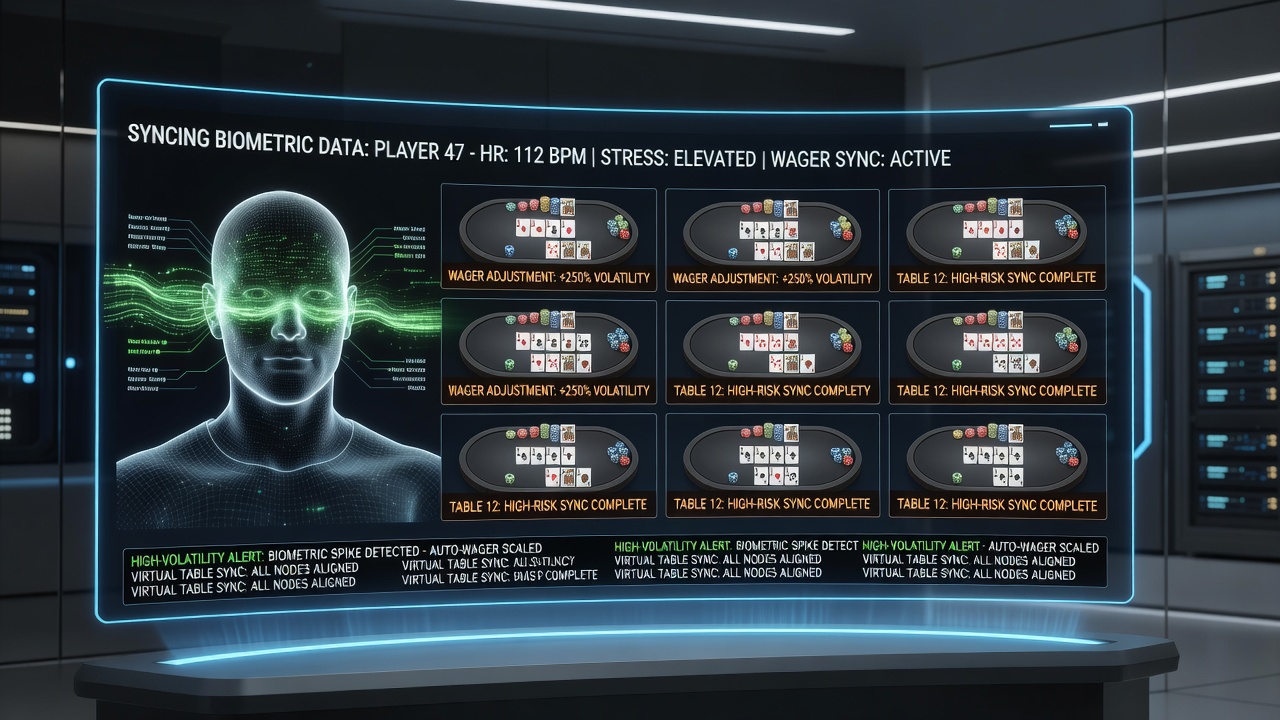
Users encounter subtle interface cues such as highlighted bet sliders or temporary reel slowdowns when systems detect elevated biometric readings, yet core gameplay mechanics stay intact so that skill elements in card decisions and random outcomes in reel spins remain unchanged. Case examples from operators who integrated these tools show smoother transitions between table and slot sessions because carried-over wager profiles reduce the need for repeated manual configuration. Observers note that session data logs now include biometric timestamps alongside traditional win-loss records, creating richer datasets for post-play analysis without altering the fundamental rules of either game type.
Future Developments Scheduled for Mid-2026
Platform providers prepare additional layers of integration including multi-device biometric continuity that lets players move from desktop card tables to mobile reel sequences while maintaining consistent wager adjustment profiles. Hardware partnerships expand to include smartwatch pulse feeds and advanced camera arrays capable of detecting subtle posture changes that correlate with decision fatigue. Technical roadmaps shared by developers point toward standardized data exchange formats that would allow different operators to share anonymized biometric adjustment patterns while preserving individual privacy controls.
Conclusion
Biometric synchronization with wager systems continues to expand across British digital card tables and reel sequences as operators refine the technical connections between physiological inputs and automated betting responses. Data from multiple independent sources demonstrates measurable shifts in session metrics and compliance documentation requirements tighten ahead of the July 2026 implementation window. These developments reshape how platforms manage real-time play dynamics while maintaining separation between game rules and adjustment logic.