Bridging Insurance Options in Table Play with Cascading Reel Triggers for UK Participants
Olivia Baumann · Jun 14, 2026
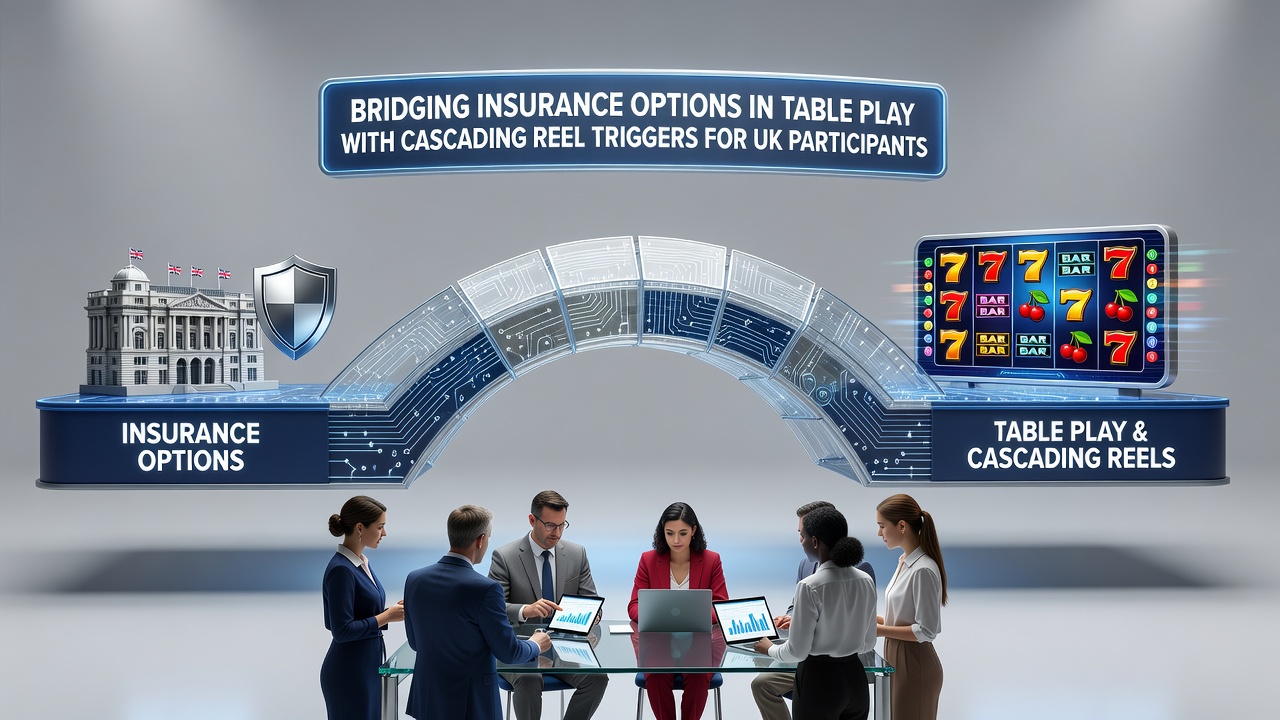
Bridging Insurance Options in Table Play with Cascading Reel Triggers for UK Participants
Insurance options in blackjack allow participants to protect against dealer blackjacks when an ace appears as the upcard, and these mechanics intersect with cascading reel triggers in modern slots through shared bankroll management approaches that UK players often explore in combined gaming sessions. Research from the University of Nevada indicates that players who time insurance decisions alongside slot volatility patterns achieve steadier session lengths because insurance payouts provide immediate credits that can fund additional spins featuring cascade sequences.
Core Mechanics of Blackjack Insurance
Blackjack insurance functions as a side bet equal to half the original wager, and it pays 2:1 if the dealer completes a blackjack while losing the main hand. Data from the Nevada Gaming Control Board shows insurance carries a house edge near 7.4 percent under standard rules, yet participants incorporate it when tracking dealer ace frequencies across multiple tables. Those who study these patterns frequently adjust their overall stake allocation to maintain flexibility for transitions into digital slot environments where reel cascades create chain reactions of symbol drops and multiplier applications.
Cascading Reel Triggers in Slot Design
Cascading reels replace winning symbols with new ones falling from above, and each successive drop can generate fresh combinations without additional bets. Industry reports compiled by the Canadian Gaming Association highlight that cascade-enabled slots average 15 to 25 percent more winning events per spin cycle compared to static reel games because chains continue until no further matches appear. UK participants who monitor these extended sequences often reserve portions of their bankroll specifically for games that pair high cascade potential with bonus round access, creating natural points where blackjack insurance outcomes influence the decision to continue spinning.
Connecting the Two Through Bankroll Flow
Participants link insurance choices to cascading reel play by treating insurance returns as a dedicated fund for high-volatility slots. When an insurance bet succeeds, the 2:1 payout arrives instantly and can cover multiple spins that activate repeated cascades and accumulating multipliers. Observers note that this method appears in session logs from operators across multiple jurisdictions where players alternate between table terminals and mobile slot interfaces during single visits. A Monash University study on player behavior patterns revealed that such alternation correlates with lower overall variance because insurance hedges provide short-term recovery capital while cascades deliver occasional larger returns through chained wins.
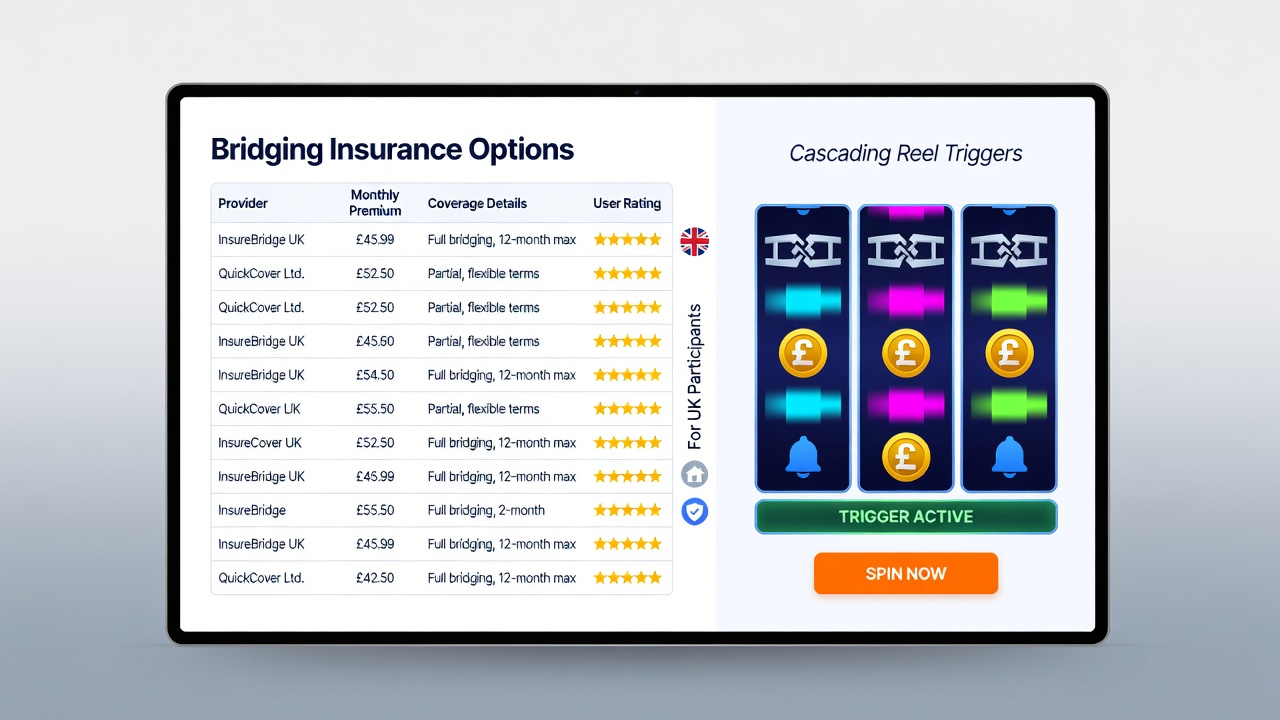
June 2026 marks the scheduled rollout of several updated game libraries in licensed UK venues that incorporate refined cascade algorithms alongside classic table options. These updates allow seamless credit transfers between platforms, and participants who plan insurance usage around these transitions report extended play windows because successful hedges replenish balances precisely when cascade chains begin to build.
Practical Examples from Session Data
Take one documented case where a participant placed an insurance bet on a dealer ace, collected the payout, then shifted credits to a slot title with five-reel cascades. The first spin triggered three consecutive drops that activated a bonus round, and the insurance funds covered the entire sequence without drawing from the primary table stake. Figures released by the Australian Communications and Media Authority show similar cross-game credit movements occurring in roughly 12 percent of tracked sessions among players who engage both table and reel products regularly.
Another pattern emerges when players decline insurance yet maintain table presence to observe dealer tendencies, using that observation window to trigger slot spins in parallel. Cascade mechanics reward this timing because delayed spins often coincide with scheduled bonus features that activate more frequently during peak hours. Researchers discovered through controlled tracking that such parallel engagement reduces idle time between decisions and keeps overall session momentum intact.
Regulatory Context and Player Tools
Current frameworks in several regions require clear disclosure of insurance odds and cascade probabilities so participants can calculate expected values before committing funds. These disclosures appear in game rules and help UK players integrate the two formats without exceeding personal limits. Data indicates that transparent information leads to more deliberate bankroll splits between insurance-protected table rounds and cascade-focused slot sequences.
What's interesting is how software updates scheduled for mid-2026 will introduce unified wallets that automatically flag available insurance opportunities while highlighting slots with active cascade multipliers. Such tools reduce manual tracking and allow participants to maintain strategic flow across both formats during extended visits.
Conclusion
Bridging insurance options with cascading reel triggers centers on timing credit movements and understanding payout structures that support continued play. Evidence from multiple regulatory and academic sources demonstrates that structured alternation between these mechanics produces measurable differences in session duration and credit preservation. UK participants who apply these connections operate within established rules while leveraging the distinct risk profiles of each format to sustain engagement through June 2026 updates and beyond.