Data-Driven Hand Histories Guiding Slot Feature Personalization Across British Mobile Platforms
Anna Powell · May 24, 2026
Tracing Hand Histories: Blackjack Data Fuels Slot Personalization on British Mobile Platforms
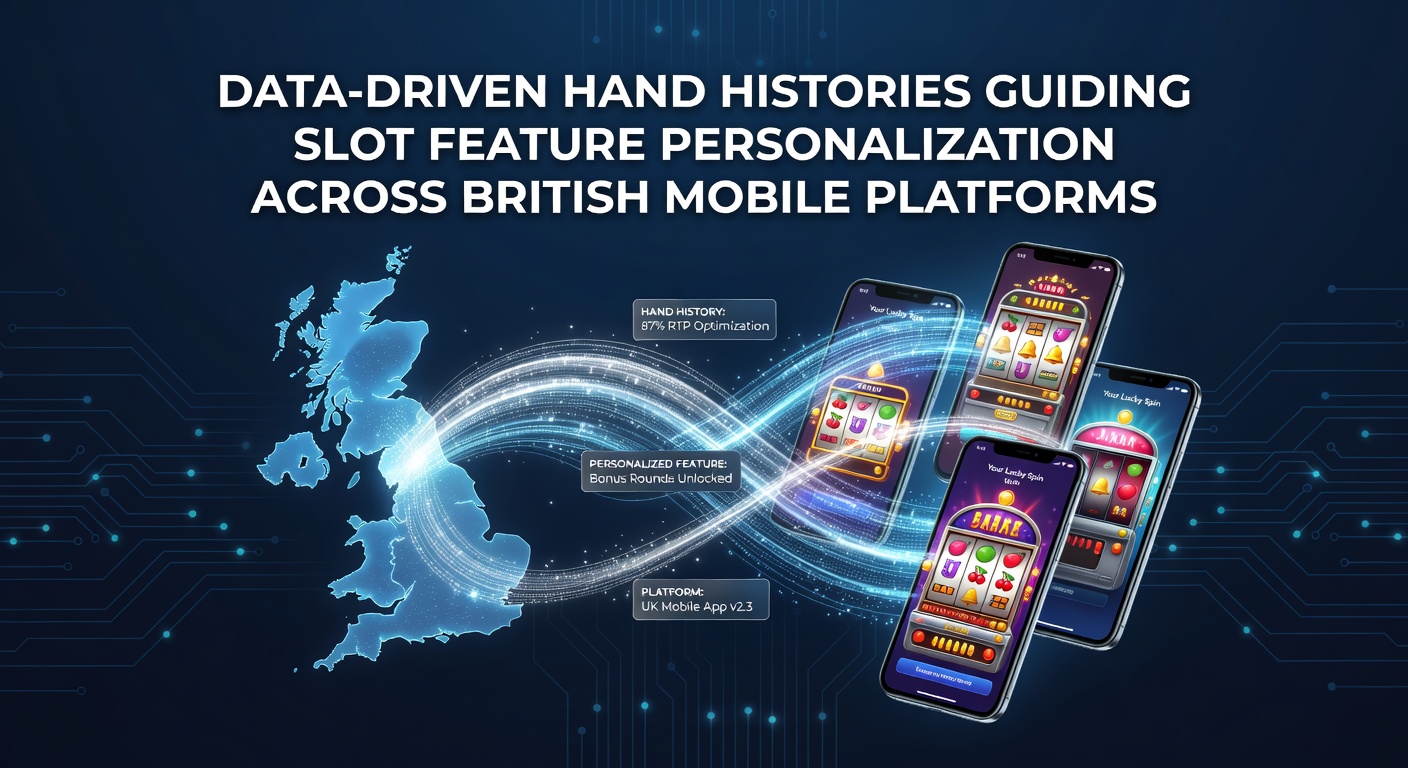
British mobile gaming platforms now draw on extensive hand histories from table games to refine slot features for individual users, creating experiences that align with observed playing patterns and preferences. Operators collect detailed records of decisions such as hit or stand choices, bet sizing sequences, and session durations from blackjack variants, then apply these insights to adjust slot mechanics including reel configurations, bonus trigger frequencies, and multiplier structures. This approach emerged from advances in player tracking systems that capture granular data across sessions without relying on direct user input. Data pipelines process millions of hand records daily, identifying clusters of behavior that correlate with specific slot interactions. Researchers at institutions like the University of Nevada, Reno have documented similar methodologies in reports on cross-game analytics, where patterns from card play inform digital reel outcomes. Algorithms segment users into groups based on risk tolerance indicators derived from historical folds or aggressive raises, then map those segments to slot volatility settings that match the same profiles. British operators integrate these systems into apps available on iOS and Android devices, ensuring real-time updates as new hand data streams in. **Data Collection and Integration Processes**
Mobile platforms gather hand histories through secure APIs that log every action timestamped to the second, including card distributions and payout resolutions. These feeds combine with slot telemetry such as spin intervals and feature activation rates to build unified player models. External sources like the Nevada Gaming Control Board provide benchmarks on data standards that influence UK implementations, though British systems adapt them for local regulatory frameworks. In practice, a player's tendency toward conservative play in blackjack hands might trigger slots to offer more frequent small-win symbols rather than high-variance bonus rounds. Machine learning models trained on aggregated histories detect shifts in engagement, such as longer sessions following certain decision patterns, and automatically recalibrate slot parameters accordingly. One study from Canadian research groups highlighted how such cross-product data flows improve retention metrics by aligning game elements with established habits. Platforms deploy these models during peak hours when hand volumes spike, allowing personalization layers to activate mid-session based on the latest 50 or 100 hands played. **Personalization Mechanisms in Action**
Slot features adapt through dynamic rule sets that reference hand history variables like average bet spread or frequency of splits. When histories show repeated doubling down in positive expectation spots, the connected slot might introduce ladder-style bet multipliers that mirror those choices during bonus stages. Conversely, players with histories favoring early surrenders see slots with more conservative auto-play options and reduced risk multipliers. This mapping occurs seamlessly in the background, with no visible interface changes for the end user beyond the evolving game flow itself. British mobile developers incorporate geolocation filters to ensure adaptations respect regional access rules, while maintaining consistency across devices. Data from sources such as the Australian Institute of Family Studies informs broader responsible gaming overlays that accompany these customizations, flagging patterns that might warrant session limits. The result appears in varied reel layouts that emphasize symbols tied to a user's historical win conditions from table play. 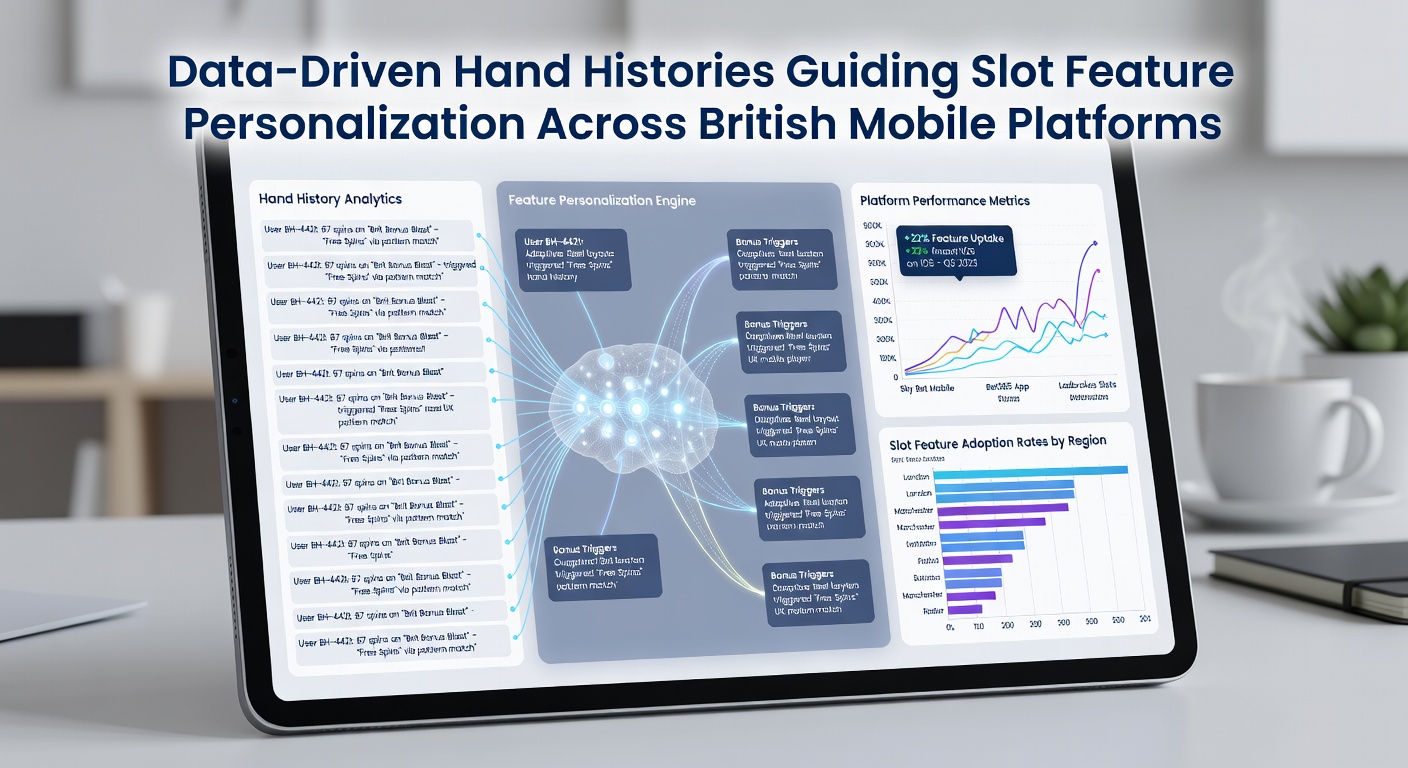 **Developments Expected by May 2026**
By May 2026, enhanced integration of real-time hand tracking with 5G networks will allow even finer adjustments to slot features during live sessions on British platforms. Updates scheduled around that period focus on expanding data sources to include multi-game histories, where blackjack decisions combine with video poker outcomes to refine slot themes and sound design. Industry reports from the European Gaming and Betting Association outline frameworks that support these expansions while emphasizing transparency in how histories translate to feature changes. Observers note that partnerships between software providers and network operators will accelerate adoption, with pilot programs already testing cross-device synchronization. Figures from academic papers on behavioral analytics indicate potential lifts in session depth when personalization draws directly from verified hand sequences rather than generalized demographics. British users benefit from these refinements through apps that maintain continuity whether switching between portrait and landscape modes or pausing and resuming play. **Industry Applications and Measurement**
Operators measure success through metrics such as feature completion rates and repeat engagement within personalized environments, comparing them against control groups using static slot versions. Data indicates stronger alignment between hand-derived profiles and slot preferences leads to extended play windows, though exact figures vary by platform. Trade publications reference case examples where one operator adjusted bonus round frequencies based on hand aggression scores, resulting in measurable upticks in daily active accounts. Additional layers incorporate feedback loops that refine the mapping algorithms monthly, incorporating fresh hand volumes from expanding user bases. This iterative process relies on clean data pipelines that exclude outliers while preserving representative patterns across age and location demographics within Britain. **Conclusion**
Hand history analytics continue to shape how British mobile platforms deliver tailored slot experiences, linking table game decisions to reel-based outcomes through established data practices. As systems evolve toward the May 2026 horizon, these connections promise greater precision in matching individual patterns with game elements, supported by research benchmarks from multiple international bodies. The approach maintains focus on observable behaviors rather than assumptions, ensuring personalization remains grounded in the records players generate across sessions.
**Developments Expected by May 2026**
By May 2026, enhanced integration of real-time hand tracking with 5G networks will allow even finer adjustments to slot features during live sessions on British platforms. Updates scheduled around that period focus on expanding data sources to include multi-game histories, where blackjack decisions combine with video poker outcomes to refine slot themes and sound design. Industry reports from the European Gaming and Betting Association outline frameworks that support these expansions while emphasizing transparency in how histories translate to feature changes. Observers note that partnerships between software providers and network operators will accelerate adoption, with pilot programs already testing cross-device synchronization. Figures from academic papers on behavioral analytics indicate potential lifts in session depth when personalization draws directly from verified hand sequences rather than generalized demographics. British users benefit from these refinements through apps that maintain continuity whether switching between portrait and landscape modes or pausing and resuming play. **Industry Applications and Measurement**
Operators measure success through metrics such as feature completion rates and repeat engagement within personalized environments, comparing them against control groups using static slot versions. Data indicates stronger alignment between hand-derived profiles and slot preferences leads to extended play windows, though exact figures vary by platform. Trade publications reference case examples where one operator adjusted bonus round frequencies based on hand aggression scores, resulting in measurable upticks in daily active accounts. Additional layers incorporate feedback loops that refine the mapping algorithms monthly, incorporating fresh hand volumes from expanding user bases. This iterative process relies on clean data pipelines that exclude outliers while preserving representative patterns across age and location demographics within Britain. **Conclusion**
Hand history analytics continue to shape how British mobile platforms deliver tailored slot experiences, linking table game decisions to reel-based outcomes through established data practices. As systems evolve toward the May 2026 horizon, these connections promise greater precision in matching individual patterns with game elements, supported by research benchmarks from multiple international bodies. The approach maintains focus on observable behaviors rather than assumptions, ensuring personalization remains grounded in the records players generate across sessions.
British mobile gaming platforms now draw on extensive hand histories from table games to refine slot features for individual users, creating experiences that align with observed playing patterns and preferences. Operators collect detailed records of decisions such as hit or stand choices, bet sizing sequences, and session durations from blackjack variants, then apply these insights to adjust slot mechanics including reel configurations, bonus trigger frequencies, and multiplier structures. This approach emerged from advances in player tracking systems that capture granular data across sessions without relying on direct user input. Data pipelines process millions of hand records daily, identifying clusters of behavior that correlate with specific slot interactions. Researchers at institutions like the University of Nevada, Reno have documented similar methodologies in reports on cross-game analytics, where patterns from card play inform digital reel outcomes. Algorithms segment users into groups based on risk tolerance indicators derived from historical folds or aggressive raises, then map those segments to slot volatility settings that match the same profiles. British operators integrate these systems into apps available on iOS and Android devices, ensuring real-time updates as new hand data streams in. **Data Collection and Integration Processes**
Mobile platforms gather hand histories through secure APIs that log every action timestamped to the second, including card distributions and payout resolutions. These feeds combine with slot telemetry such as spin intervals and feature activation rates to build unified player models. External sources like the Nevada Gaming Control Board provide benchmarks on data standards that influence UK implementations, though British systems adapt them for local regulatory frameworks. In practice, a player's tendency toward conservative play in blackjack hands might trigger slots to offer more frequent small-win symbols rather than high-variance bonus rounds. Machine learning models trained on aggregated histories detect shifts in engagement, such as longer sessions following certain decision patterns, and automatically recalibrate slot parameters accordingly. One study from Canadian research groups highlighted how such cross-product data flows improve retention metrics by aligning game elements with established habits. Platforms deploy these models during peak hours when hand volumes spike, allowing personalization layers to activate mid-session based on the latest 50 or 100 hands played. **Personalization Mechanisms in Action**
Slot features adapt through dynamic rule sets that reference hand history variables like average bet spread or frequency of splits. When histories show repeated doubling down in positive expectation spots, the connected slot might introduce ladder-style bet multipliers that mirror those choices during bonus stages. Conversely, players with histories favoring early surrenders see slots with more conservative auto-play options and reduced risk multipliers. This mapping occurs seamlessly in the background, with no visible interface changes for the end user beyond the evolving game flow itself. British mobile developers incorporate geolocation filters to ensure adaptations respect regional access rules, while maintaining consistency across devices. Data from sources such as the Australian Institute of Family Studies informs broader responsible gaming overlays that accompany these customizations, flagging patterns that might warrant session limits. The result appears in varied reel layouts that emphasize symbols tied to a user's historical win conditions from table play.
**Developments Expected by May 2026**
By May 2026, enhanced integration of real-time hand tracking with 5G networks will allow even finer adjustments to slot features during live sessions on British platforms. Updates scheduled around that period focus on expanding data sources to include multi-game histories, where blackjack decisions combine with video poker outcomes to refine slot themes and sound design. Industry reports from the European Gaming and Betting Association outline frameworks that support these expansions while emphasizing transparency in how histories translate to feature changes. Observers note that partnerships between software providers and network operators will accelerate adoption, with pilot programs already testing cross-device synchronization. Figures from academic papers on behavioral analytics indicate potential lifts in session depth when personalization draws directly from verified hand sequences rather than generalized demographics. British users benefit from these refinements through apps that maintain continuity whether switching between portrait and landscape modes or pausing and resuming play. **Industry Applications and Measurement**
Operators measure success through metrics such as feature completion rates and repeat engagement within personalized environments, comparing them against control groups using static slot versions. Data indicates stronger alignment between hand-derived profiles and slot preferences leads to extended play windows, though exact figures vary by platform. Trade publications reference case examples where one operator adjusted bonus round frequencies based on hand aggression scores, resulting in measurable upticks in daily active accounts. Additional layers incorporate feedback loops that refine the mapping algorithms monthly, incorporating fresh hand volumes from expanding user bases. This iterative process relies on clean data pipelines that exclude outliers while preserving representative patterns across age and location demographics within Britain. **Conclusion**
Hand history analytics continue to shape how British mobile platforms deliver tailored slot experiences, linking table game decisions to reel-based outcomes through established data practices. As systems evolve toward the May 2026 horizon, these connections promise greater precision in matching individual patterns with game elements, supported by research benchmarks from multiple international bodies. The approach maintains focus on observable behaviors rather than assumptions, ensuring personalization remains grounded in the records players generate across sessions.