Decoding Volatility Echoes Between Resplit Options and Cascading Reel Chains Across Licensed Hybrid Platforms
Rafael Perry · Jul 19, 2026
Decoding Volatility Echoes Between Resplit Options and Cascading Reel Chains Across Licensed Hybrid Platforms
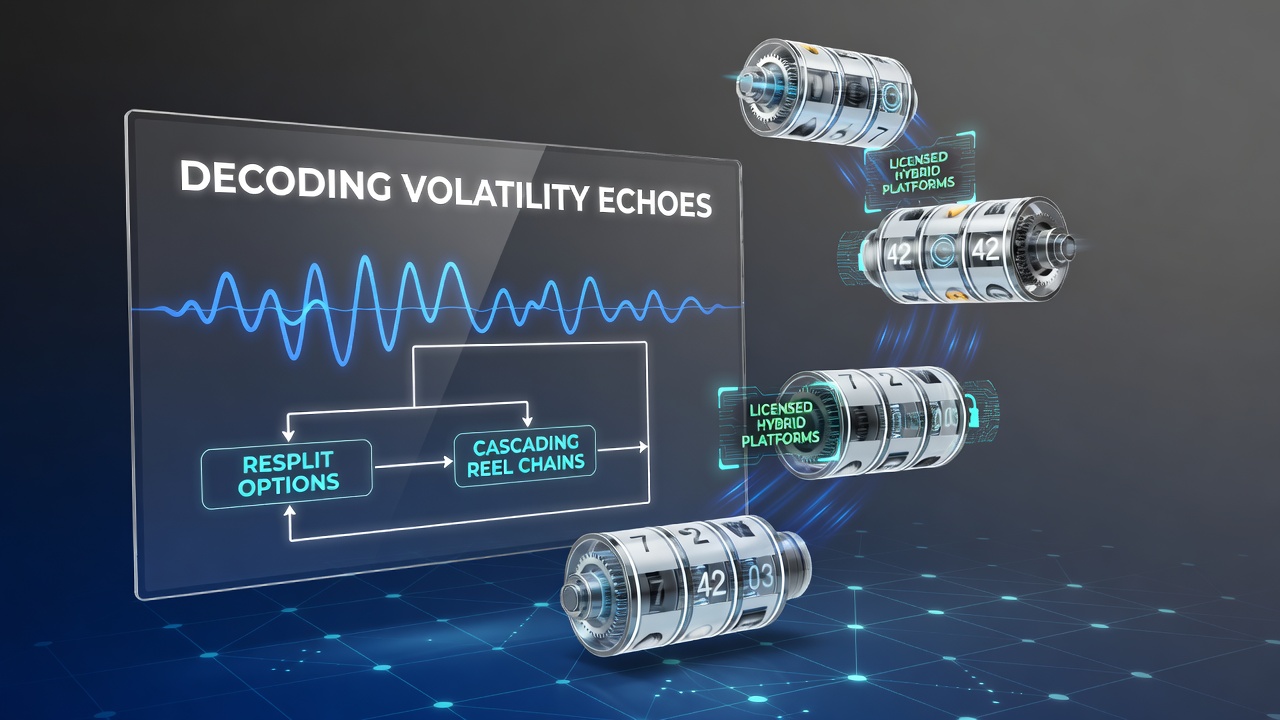
Resplit options in blackjack create distinct volatility profiles that interact with cascading reel mechanics found in many slot titles, and licensed hybrid platforms bring these elements together under unified betting environments. Players encounter sequences where decisions at the table influence bankroll swings that then carry over into reel sessions, while chain reactions on slots feed back into table play through shared session data and bonus structures.
Mechanics of Resplit Volatility in Blackjack
Resplitting pairs expands the number of hands in play and alters standard deviation calculations, because each additional split multiplies both potential returns and exposure to bust outcomes. Data from regulated markets shows that allowing resplits on aces increases session variance by measurable margins compared with single-split rules, and this effect compounds when platforms permit unlimited resplits within house limits.
Observers note that the timing of these decisions matters in hybrid settings, where a player finishing a high-variance blackjack round often transitions directly to slots that reward or penalize similar risk patterns. Research compiled by the Nevada Gaming Control Board indicates that table-game volatility metrics correlate with subsequent slot engagement rates on integrated platforms.
Cascading Reel Chains and Their Variance Signature
Cascading reels replace winning symbols with new ones that drop from above, generating consecutive evaluations within a single spin. Each cascade layer multiplies the base bet exposure without requiring an additional wager, which produces a volatility signature marked by occasional long chains offset by frequent zero-return spins. Industry reports document that titles featuring five or more cascade stages per spin exhibit higher kurtosis in payout distributions than standard reel games.
These mechanics echo resplit dynamics because both systems allow repeated resolution of the same initial stake. When a cascade chain extends, the effective multiplier range overlaps with the payout spread created by multiple blackjack splits, and hybrid platforms track these patterns through unified player accounts.
Cross-Game Echo Patterns on Hybrid Platforms
Licensed operators that combine table games and slots within single lobbies record session data showing players often alternate between resplit-heavy blackjack and cascade-heavy slots in teh same visit. This alternation transmits volatility echoes because the bankroll state after one game type sets the stake sizing parameters for the next. A sequence of successful resplits can prompt larger bets on the first few slot spins, while a cascade drought may lead to conservative table play.
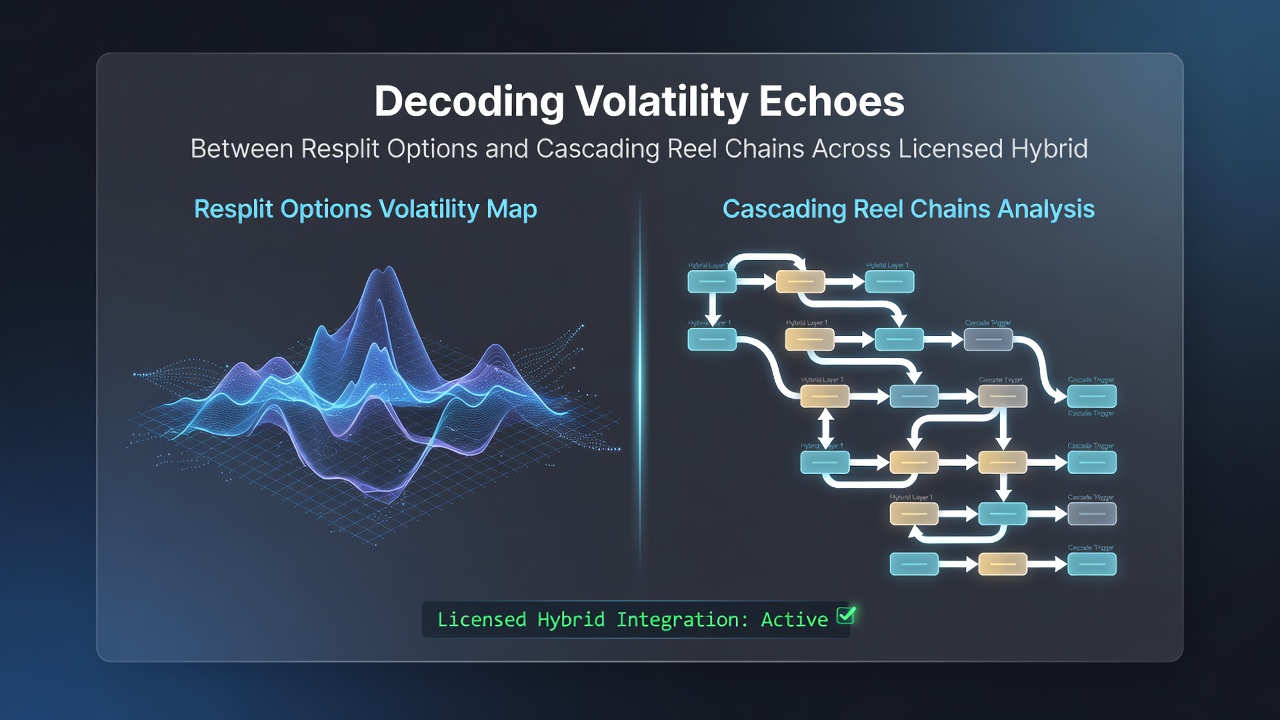
Studies released in July 2026 by academic researchers at the University of Nevada, Reno, examined aggregated transaction logs from multi-game platforms and identified recurring transfer coefficients between the two game categories. The coefficients quantify how variance generated at the table influences the size and frequency of slot bonus triggers within the same hour-long window.
Regulatory Frameworks Governing Hybrid Volatility
Regulatory bodies outside the United Kingdom monitor these interactions through required reporting on game mathematics. The Nevada Gaming Control Board requires operators to submit volatility indices for both table rules and reel configurations, while the Australian Communications and Media Authority collects similar data for licensed interactive products. These filings allow analysts to map how resplit permissions and cascade depths combine to produce overall platform risk profiles.
Industry organizations such as the American Gaming Association publish aggregated summaries that compare variance across jurisdictions, revealing that platforms permitting both resplits and extended cascades maintain stricter session-time limits in certain markets to moderate cumulative exposure. Figures from these reports show measurable differences in average session length when volatility echoes are present versus when games are isolated.
Player Behavior Data and Platform Adjustments
Transaction analysis from licensed environments demonstrates that users frequently adjust bet sizes in response to recent cascade outcomes before returning to the blackjack table. Platforms respond by surfacing rule reminders or stake suggestions that reference both game types, thereby acknowledging the interconnected variance. External audits verify that these adjustments remain within approved mathematical models and do not alter published return-to-player percentages.
One documented case involved a multi-state operator that introduced a shared volatility meter visible across blackjack and slot interfaces; subsequent compliance filings indicated the meter reduced extreme bet escalation without changing game outcomes. Data released by state regulators confirmed the change aligned with broader responsible-gaming metrics tracked across hybrid sites.
Conclusion
Volatility echoes between resplit blackjack options and cascading slot reels arise from shared mathematical structures that licensed hybrid platforms place under one operational umbrella. Regulatory filings, academic studies, and aggregated industry data document these interactions through measurable variance coefficients and session patterns. Continued reporting from bodies such as the Nevada Gaming Control Board and the American Gaming Association supplies the factual baseline for understanding how these elements coexist across regulated environments.