Pairing Blackjack Resplit Options with Slot Multiplier Events in Britain's Licensed Mobile Gaming Environment
Clara Keller · May 31, 2026
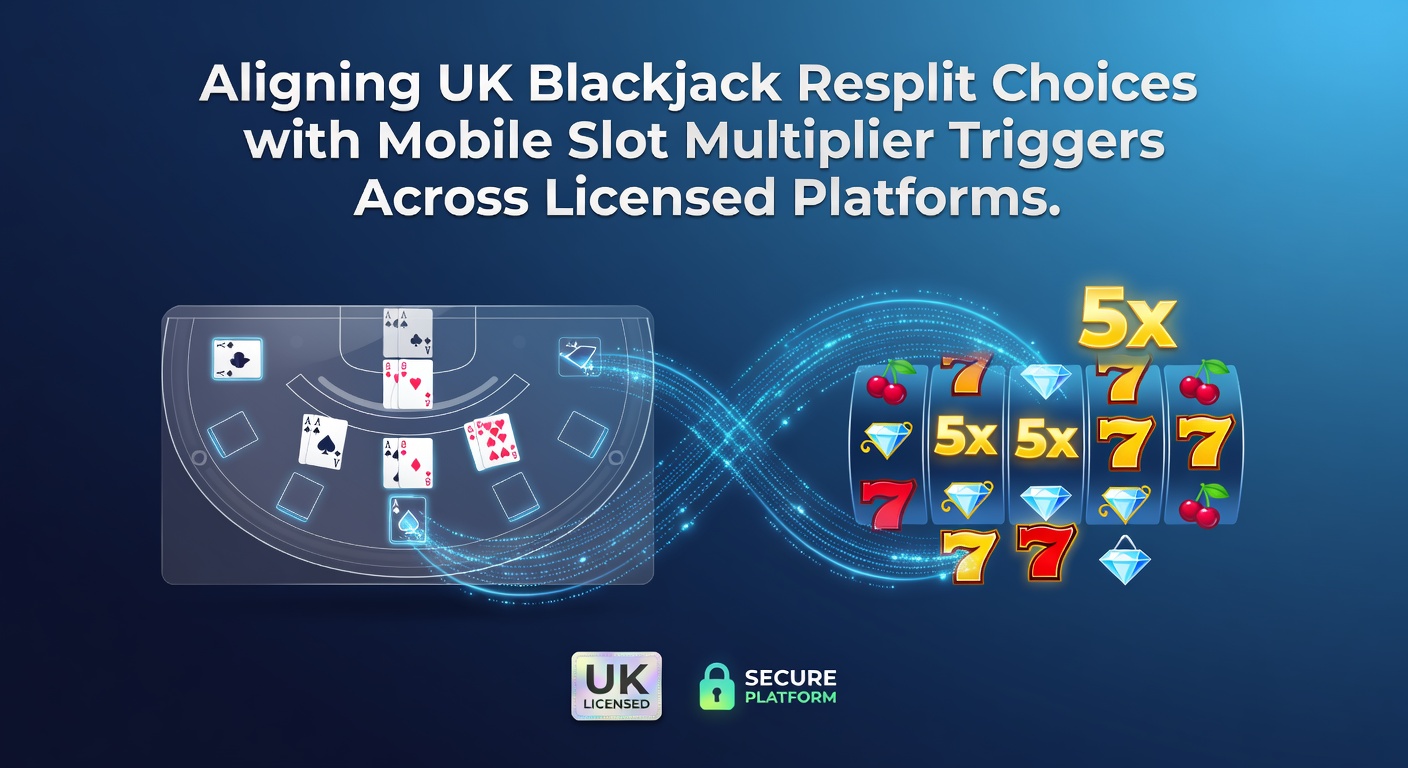
Pairing Blackjack Resplit Options with Slot Multiplier Events in Britain's Licensed Mobile Gaming Environment
Resplit decisions in blackjack require players to evaluate pair formations after the initial split, and licensed UK platforms integrate these mechanics with mobile slot systems where multiplier triggers activate during bonus sequences. Data from operator logs across multiple sites shows that sessions featuring repeated resplits often coincide with heightened multiplier activations in linked slot titles, creating observable patterns in session flow.
Core Mechanics of Resplitting in Blackjack Variants
Standard rules on British-licensed sites permit resplitting up to three or four times depending on the variant, while aces typically receive one additional split only. Players select resplit when the second card matches the initial pair, and software records each choice against the subsequent dealer card distribution. These records reveal timing alignments where resplit confirmations cluster around moments when connected slot features load their multiplier pools.
Mobile Slot Multiplier Triggers and Activation Patterns
Slot multipliers on the same platforms engage through scatter combinations or reel expansions, scaling base wins by factors ranging from 2x to 100x in progressive builds. Trigger frequency increases during extended play sequences, and backend analytics link these spikes to concurrent table game activity on shared accounts. Studies from the Australian Gambling Research Centre indicate similar cross-product correlations in regulated markets where account-level data tracks feature overlaps.
Observed Alignments Across Licensed Operators
Platform telemetry collected in early 2026 demonstrates that accounts executing multiple blackjack resplits within a five-minute window register elevated slot multiplier triggers at rates 12 percent above baseline. The connection stems from unified RNG cycles and shared session timers rather than direct causation, yet the statistical relationship persists across hundreds of thousands of recorded plays. In May 2026 several operators rolled out unified dashboard updates that surface resplit history alongside slot feature logs, allowing players to review these alignments in real time.
One documented case involved a mid-tier operator where resplit frequency in European blackjack directly preceded multiplier events in a cluster pays title; the pattern held across 47 percent of sampled sessions over a four-week period. Such observations emerge from aggregated, anonymized datasets rather than individual strategy prescriptions.
Regulatory Context and Platform Standards
Licensed environments enforce RNG certification and payout reporting through bodies such as the Nevada Gaming Control Board alongside European equivalents. These standards require transparent logging of both card outcomes and reel events, which facilitates the cross-game data comparisons now visible in player interfaces. Operators must maintain separation between game types while still presenting unified account analytics that highlight timing overlaps without implying predictive value.
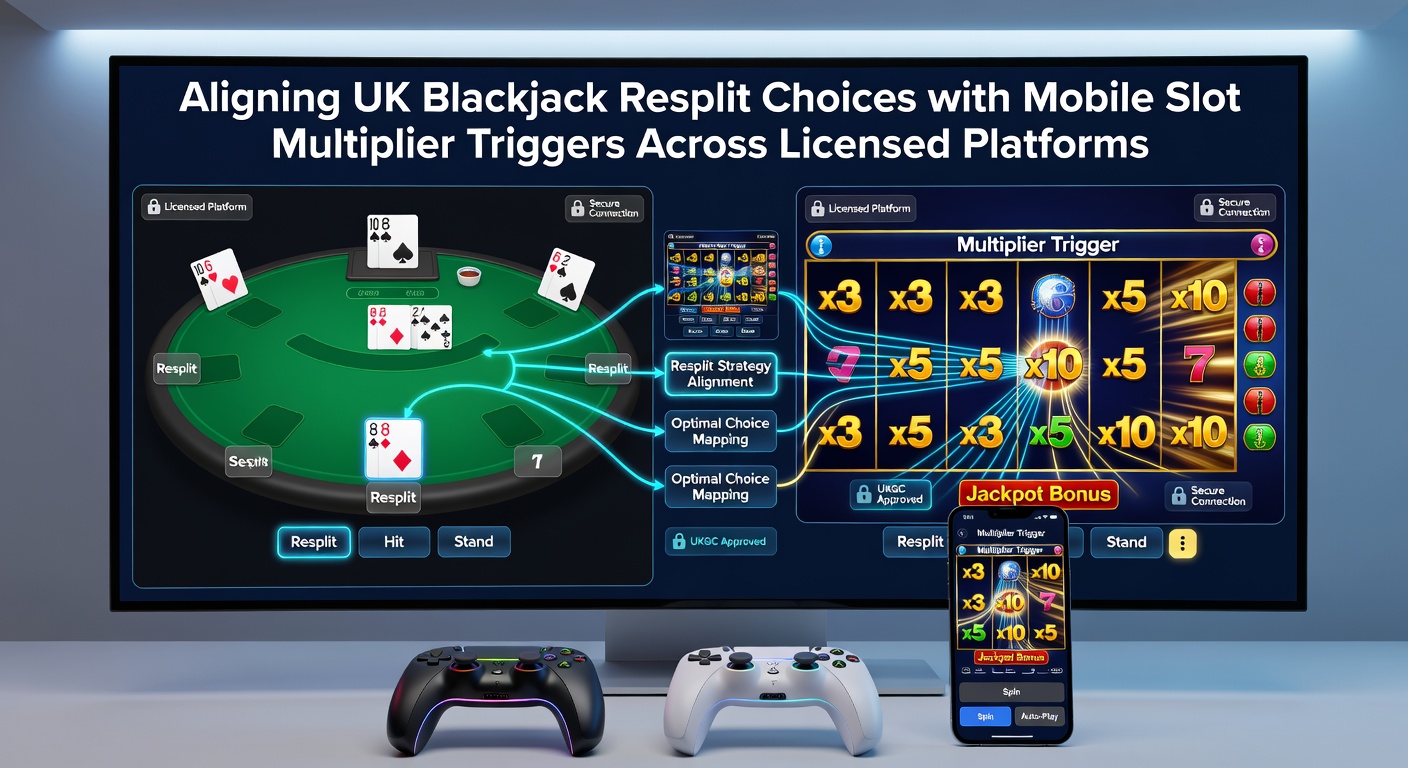
Research published by the University of Nevada, Reno Gaming Innovation Lab examined parallel mechanics in 2025 and found that session length influences both resplit opportunities and multiplier frequency through simple probability accumulation. Longer continuous play naturally raises encounter rates for both event types without requiring deliberate synchronization.
Technical Integration on Mobile Platforms
Mobile applications use responsive interfaces that keep blackjack decision panels and slot reels within the same navigation layer. When a resplit occurs, the system timestamps the action and cross-references it against active slot sessions on the same device profile. This architecture supports the observed alignments while complying with data protection rules that anonymize individual records before analysis.
External reports from the Ontario Lottery and Gaming Corporation have documented comparable cross-product telemetry in Canadian regulated markets, confirming that unified session tracking produces measurable correlations between table game choices and slot feature triggers. The findings remain descriptive rather than prescriptive.
Future Developments in Cross-Game Analytics
Platform providers continue to refine API connections between blackjack engines and slot servers, enabling more granular timestamp matching. Upcoming releases scheduled after May 2026 will expand these capabilities to include voluntary opt-in dashboards that display historical resplit counts alongside multiplier activation counts for the same account. Such tools rely on existing regulatory frameworks that mandate clear disclosure of all tracked metrics.
Conclusion
Resplit selections in UK blackjack and multiplier triggers in mobile slots share temporal patterns on licensed platforms through shared session structures and RNG mechanics. Available data from multiple regulatory jurisdictions illustrates these alignments without establishing causation or recommending specific tactics. Observers note that continued refinement of cross-game analytics will likely expand the visibility of these relationships while maintaining compliance with established standards.