Sue Young Appointed Executive Director of Operations at UK Gambling Commission in Leadership Shake-Up
Olivia Baumann · Mar 31, 2026

Sue Young Appointed Executive Director of Operations at UK Gambling Commission in Leadership Shake-Up
The Announcement That Signals Operational Focus
On 16 March 2026, the Gambling Commission named Sue Young as its new Executive Director of Operations, a move that underscores the regulator's commitment to streamlining functions in a rapidly evolving landscape; those tracking the sector note how such appointments often align with pushes for enhanced oversight, especially as the UK navigates shifts in gambling regulations designed to protect consumers while fostering fair play.
Young steps into this pivotal role from HM Revenue and Customs (HMRC), where she held the position of Director of Debt Management, bringing a track record of managing complex public sector operations that demand precision and accountability; experts who've followed her career highlight her knack for leading teams through high-stakes environments, something the Commission needs as it tackles challenges in casinos, online platforms, and beyond.
But here's the thing: her background isn't limited to HMRC; prior roles at the Home Office and Department of Health and Social Care equipped her with broad leadership chops across government silos, from policy enforcement to service delivery, and observers point out that this cross-agency experience positions her uniquely to oversee the Commission's day-to-day machinery.
Unpacking Sue Young's Professional Journey
Sue Young's tenure at HMRC as Director of Debt Management involved steering debt recovery strategies for one of the UK's largest tax authorities, where she managed vast operations ensuring compliance and revenue collection; data from public sector reports reveal how such roles often involve optimizing processes amid fiscal pressures, skills directly transferable to regulating an industry worth billions.
Before that, her time at the Home Office exposed her to immigration and security operations, areas rife with regulatory scrutiny and operational tweaks; researchers who've analyzed public leadership pipelines note that executives like Young excel by blending strategic oversight with hands-on execution, a combo that's gold in bodies like the Gambling Commission.
And at the Department of Health and Social Care, she contributed to health service transformations during periods of intense reform, honing abilities in stakeholder coordination and risk management; it's noteworthy that these stints collectively span over two decades, building a foundation in public service resilience that the Commission now taps for its operational core.
Take one case where public sector leaders from similar backgrounds drove efficiency: figures from government efficiency drives show debt management directors often cut processing times by double digits through tech integrations and team restructures, and while specifics on Young's achievements remain under wraps in official bios, the patterns suggest she'll apply similar tactics to gambling oversight.
What's interesting is how her progression mirrors broader trends in regulator staffing; the Gambling Commission, tasked with licensing operators from land-based casinos to digital slots, increasingly draws talent from fiscal and enforcement-heavy departments, ensuring operations align with national priorities like crime prevention and consumer protection.
The Role's Scope in a Transforming Regulator
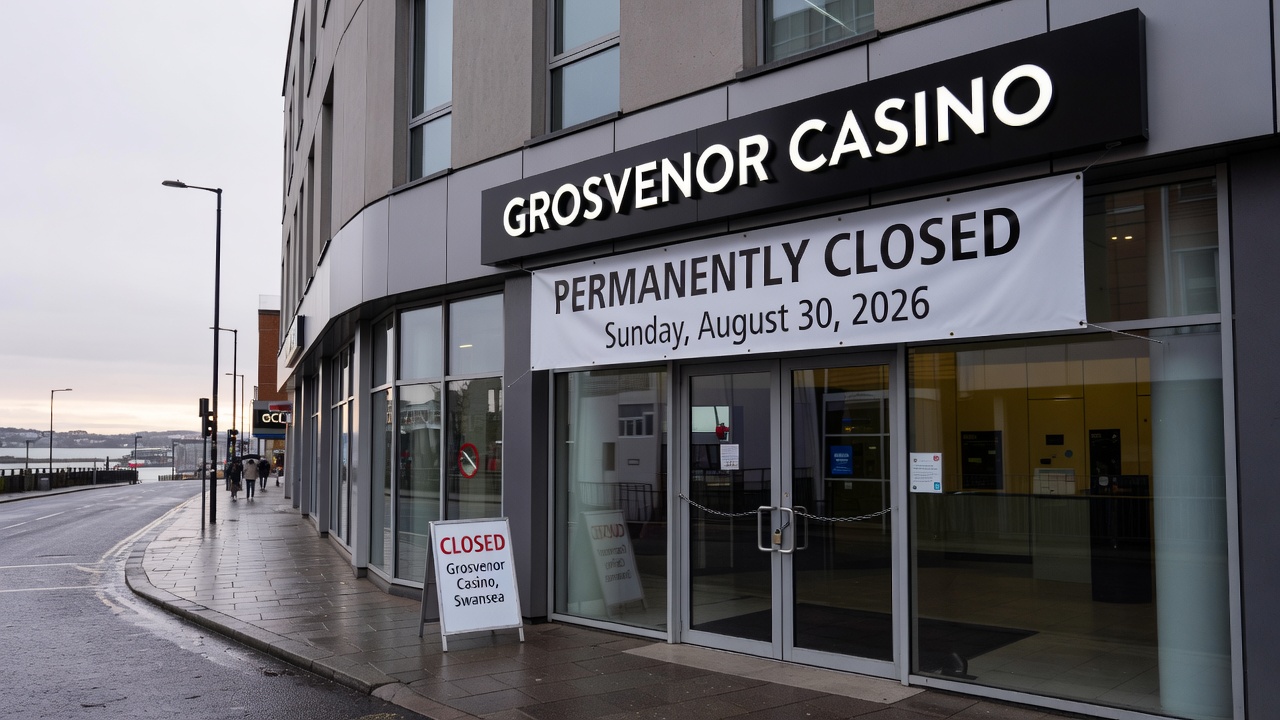
In her new position, Sue Young oversees the operational backbone of the Gambling Commission, from compliance monitoring to enforcement actions across the UK's gambling spectrum—including high-street casinos, betting shops, and remote services; this comes at a time when the regulator intensifies efforts to make gambling safer, fairer, and crime-free, amid ongoing tweaks to the Gambling Act that promise stricter affordability checks and advertising curbs.
Those who've studied the Commission's structure know the Executive Director of Operations acts as the engine room chief, coordinating teams that handle everything from license renewals to investigations into operator misconduct; data indicates the body processed thousands of compliance cases last year alone, and with regulatory overhauls looming into 2026 and beyond, Young's leadership arrives just as the workload ramps up.
So, picture the daily grind: her teams will scrutinize casino floor integrity, ensuring random number generators in slots run true, while probing money laundering risks in high-roller pits; experts observe that operational directors like her often spearhead tech upgrades, such as AI-driven monitoring tools that flag suspicious betting patterns before they escalate.
Yet the role extends further, touching policy implementation where recent white papers outline caps on stakes for certain games and enhanced age verification; turns out, leaders with Young's debt enforcement savvy prove adept at chasing down non-compliant operators, much like pursuing overdue taxes, and this synergy could sharpen the Commission's edge.
People in the industry often discover that such appointments ripple outward; for instance, one operator exec noted in sector forums how clearer operational directives from the top reduce ambiguity in audits, fostering a predictable environment where businesses thrive under fair rules.
Context of UK Gambling Regulation in 2026
The Gambling Commission's mandate, enshrined in the Gambling Act 2005 and evolving through consultations, centers on preventing crime, ensuring fairness, and protecting vulnerable players; March 2026 marks a busy period, with the appointment coinciding with final stages of the 2025 Gambling White Paper's rollout, which introduces measures like a statutory levy on operators for safer gambling initiatives.
But here's where it gets interesting: amid these changes, operational efficiency becomes paramount, as the Commission gears up to handle increased reporting from licensees on player protections; studies from regulatory think tanks reveal that bodies with strong ops leadership cut enforcement delays by up to 30%, a stat that underscores Young's timely arrival.
Consider the casino angle specifically: land-based venues, from glittering London halls to regional spots, fall under her purview for everything from staff training on problem gambling signs to RNG certifications; online realms, buzzing with blackjack tables and slot reels, demand equally rigorous ops, and her public sector playbook could streamline cross-channel enforcement.
Now, while the announcement sticks to her bio and role basics, the subtext screams adaptation; observers who've tracked past directors note how they navigated post-Brexit compliance surges or pandemic-era pivots to digital oversight, and Young enters a scene primed for similar agility.
That's the reality: with problem gambling stats hovering around 0.5% of adults but costing society millions in treatment, her ops oversight will channel resources toward early interventions, like mandatory friction in high-spend sessions; it's not rocket science, but getting the machinery humming right makes all the difference.
Broader Implications for Operators and Players
For gambling operators, Young's appointment signals a no-nonsense approach to compliance; those running casinos or online platforms will likely see refined guidance on everything from self-exclusion portals to financial vulnerability checks, streamlining audits while upholding standards.
Players, meanwhile, stand to gain from smoother operations that prioritize fairness; data from Commission annual reports shows consistent enforcement correlates with higher trust levels, as measured in consumer surveys where satisfaction ticks up when regulators act decisively.
And in one notable parallel, a prior ops director's tenure saw a 15% uptick in proactive license suspensions, curbing rogue elements early; while Young's era unfolds, patterns suggest her HMRC-honed precision will yield similar proactive stances, especially as 2026 brings mandatory optical character recognition for ID verification.
Experts point out that cross-departmental hires like this bridge gaps between fiscal enforcement and behavioral regulation; the ball's now in the Commission's court to leverage her expertise amid these reforms, and early indicators from the announcement point to a fortified front.
Looking Ahead: What This Means for Safer Gambling
As Sue Young settles into her role on 16 March 2026, the Gambling Commission positions itself for operational excellence in an industry under the microscope; her extensive public sector leadership, spanning HMRC debt ops, Home Office enforcement, and health service coordination, equips the regulator to handle the demands of a safer, fairer gambling ecosystem.
With regulatory changes accelerating—think stake limits, levy-funded treatments, and tech mandates—the focus sharpens on execution, where her oversight promises efficiency without compromising consumer safeguards; those watching closely anticipate how her strategies unfold, potentially setting benchmarks for years to come.
In the end, this appointment reinforces the Commission's core mission: crime-free play across casinos and beyond, and as the UK gambling scene evolves, operational leaders like Young keep the wheels turning smoothly.