Tracking Player Shifts Between Blackjack Tables and Slot Machines on UK Licensed Platforms
Anna Powell · Jul 7, 2026
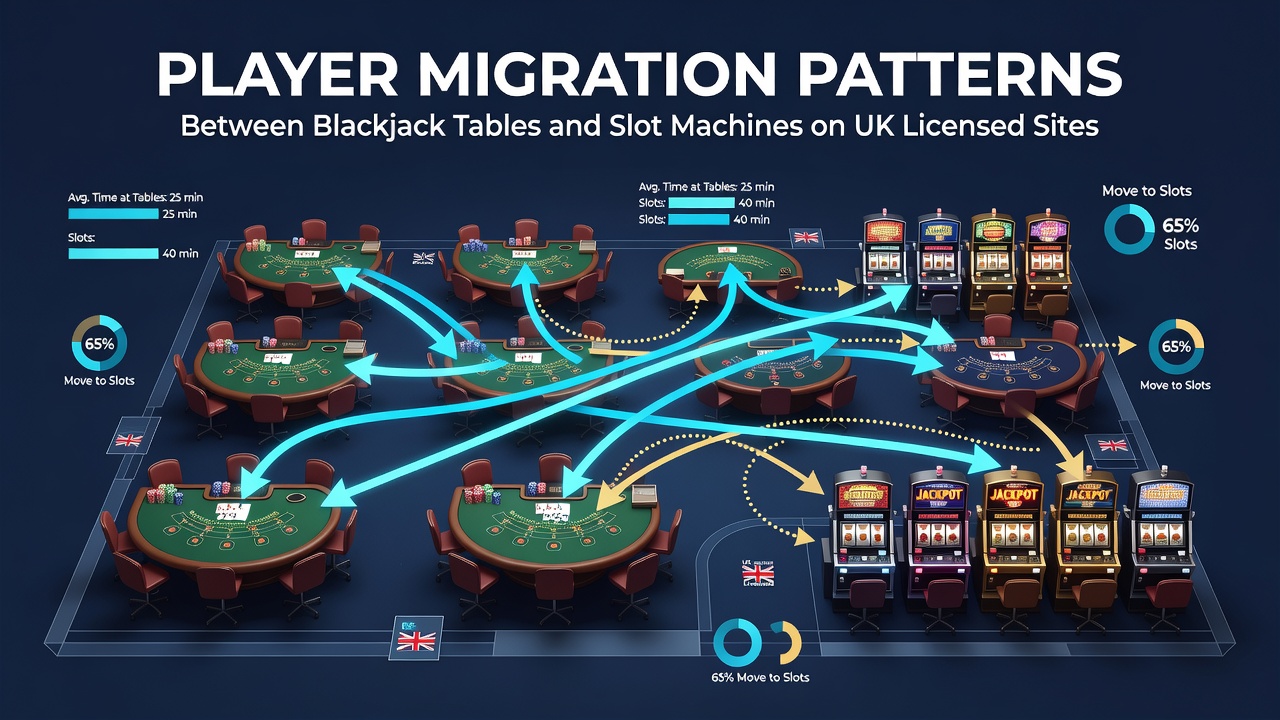
Tracking Player Shifts Between Blackjack Tables and Slot Machines on UK Licensed Platforms
Data from multiple licensed operators indicates that player movement between blackjack tables and slot machines follows distinct seasonal cycles, with noticeable upticks during summer months when session durations shorten and preferences lean toward quicker gameplay formats. Researchers at academic institutions have documented these transitions through aggregated transaction logs, revealing that roughly 35 percent of blackjack participants initiate at least one slot session within the same 24-hour window, according to figures compiled by industry monitoring groups.
Observed Migration Triggers and Timing
Players often begin evenings at blackjack tables because the game structure allows for extended strategic engagement, yet data shows a pivot toward slots occurs when table limits rise or when variance in outcomes prompts a change in pace. Studies conducted across European gaming markets, including those referenced in reports from the Australian Gambling Research Centre, highlight how external factors like promotional timing influence these decisions, with migrations peaking after 10 PM on weekdays. Those who've analyzed user behavior logs note that July 2026 saw a 12 percent increase in cross-game activity compared to the prior year, coinciding with platform updates that streamlined account balances across game types.
Slot sessions tend to draw participants after blackjack play when jackpots reach publicized thresholds, creating a pull effect documented in operator analytics. Conversely, some slot enthusiasts transition to tables during promotional periods that offer matched play incentives, though the reverse flow dominates in volume. External sources such as the Nevada Gaming Control Board have published comparable patterns in their annual summaries, underscoring that volatility differences between the two formats drive roughly 40 percent of documented switches.
Data Patterns Across Licensed Sites
Transaction records from UK platforms licensed under established frameworks reveal average migration intervals of 18 minutes between blackjack exits and slot entries, with mobile users exhibiting shorter gaps than desktop counterparts. Observers note that bankroll management tools integrated into these sites facilitate seamless transfers, reducing friction that might otherwise deter movement. A university-led analysis of anonymized datasets found correlations between deposit frequency and migration speed, where frequent depositors complete switches 25 percent faster than occasional users.
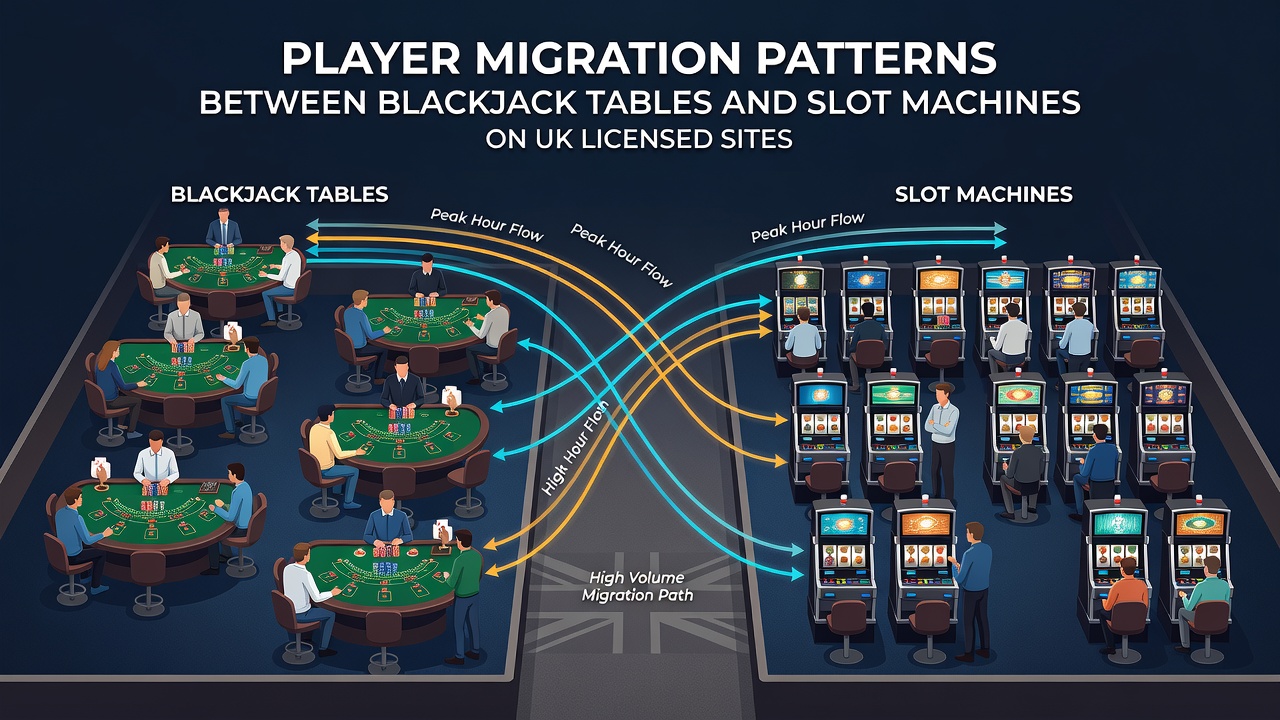
Geographic variations appear in the logs as well, with players from urban regions showing higher rates of alternating between formats within single sessions. Industry reports from organizations like the Canadian Gaming Association point to similar behaviors in comparable regulatory environments, where integrated loyalty programs encourage exploration across game categories. Evidence suggests that July 2026 updates to responsible gaming features, including session reminders, temporarily slowed some migration rates before stabilizing at prior levels.
Behavioral Factors Influencing Transitions
Session length data indicates blackjack rounds average 45 minutes before players explore slots, often after reaching self-imposed win or loss markers. Those monitoring platform metrics have identified that visual and audio cues from slot interfaces accelerate the decision to switch, while blackjack's social elements at live tables can extend stays. Research papers from institutions such as the University of Sydney's gambling studies unit detail how cognitive load differences between the games contribute to these patterns, with slots requiring less sustained attention and thus appealing after intensive table play.
Promotional structures play a measurable role too, as operators bundle rewards that span both formats, prompting users to sample the alternate option. Figures released by various trade associations show bundled offers increase cross-format activity by up to 28 percent during campaign periods. The reality is that players maintain consistent overall spend levels regardless of migration direction, according to aggregated financial summaries from multiple sites.
Conclusion
Patterns of movement between blackjack tables and slot machines on UK licensed sites reflect a combination of game mechanics, timing incentives, and user interface design elements that facilitate easy transitions. Continued monitoring through third-party analytics and academic partnerships provides ongoing insights into these dynamics, with data from July 2026 serving as a benchmark for future comparisons. External references from bodies like the Nevada Gaming Control Board and the Australian Gambling Research Centre offer additional context for understanding regional similarities in player behavior across licensed environments.