UK Casino Operators Flag Risks to Venues and Employment from Machine Games Duty Proposal
Quinn Wagner · Oct 4, 2026

UK Casino Operators Flag Risks to Venues and Employment from Machine Games Duty Proposal
Paul Willcock, chief executive of Genting UK, which runs 32 casinos across the country, has outlined the effects a rise in Machine Games Duty would have on the business if the rate on fixed-odds betting terminals and slot machines moves from 20 percent to 40 percent; the company calculates that the change would add roughly 16 million pounds in annual costs and would leave 13 of its sites unprofitable or unsustainable, resulting in closures and the loss of around 900 positions.
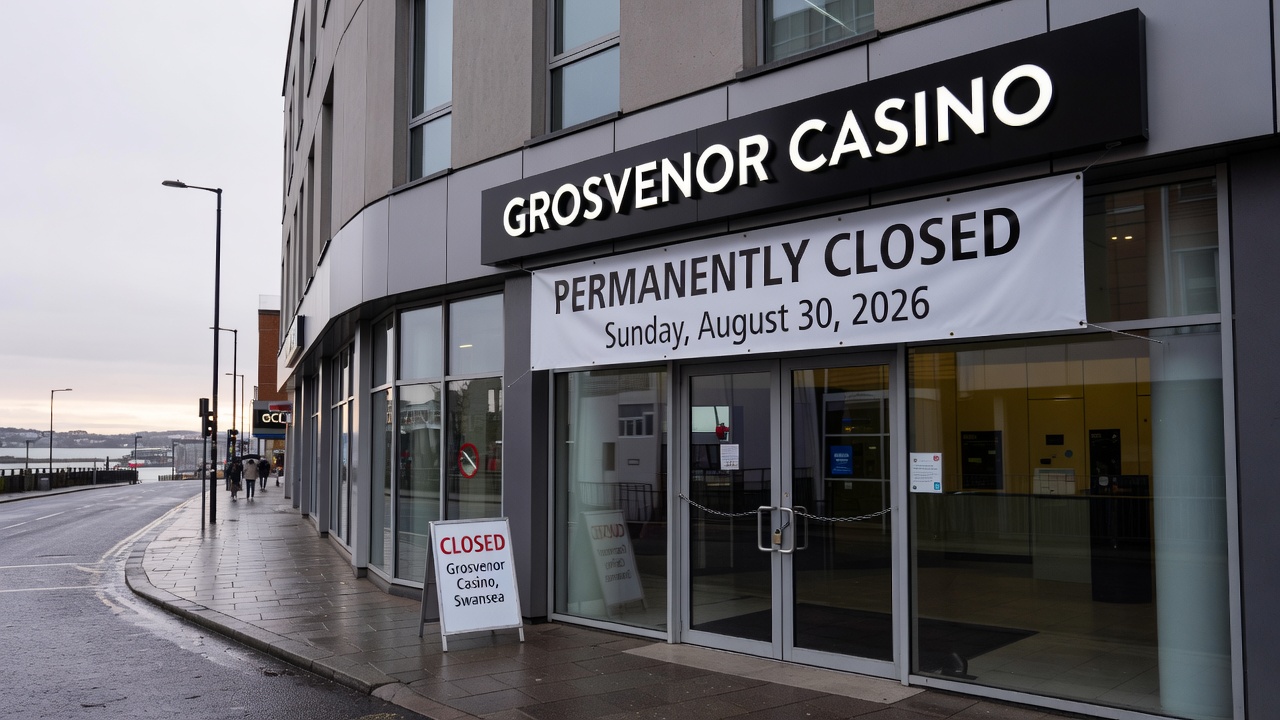
The warning comes ahead of the October 28 Budget, and it follows a comparable statement issued days earlier by Rank Group, the owner of Grosvenor Casinos, which indicated that up to 16 of its 47 venues could face closure with as many as 1,800 roles placed at risk under the same duty adjustment.
Details of the Proposed Duty Change
The Machine Games Duty applies directly to takings from gaming machines and terminals that operate in licensed casino premises; current rules set the rate at 20 percent, yet reports indicate the Chancellor is reviewing a doubling of that figure as part of broader fiscal measures under consideration for the autumn statement.
Under the higher rate, Genting UK projects that its post-tax profit from the previous year, recorded at 13.5 million pounds, would be exceeded by the additional tax burden alone, creating a shortfall that the operator states cannot be absorbed without structural changes to its estate.
Statements from Genting UK Leadership
Willcock presented the figures in correspondence that highlights the direct link between the duty increase and venue viability, noting that the affected sites would no longer cover operating expenses once the new rate takes effect; the analysis covers the full portfolio and isolates the contribution of machine revenue to overall site performance.
Those calculations also incorporate existing employment levels at the 13 locations, where the 900 positions represent a substantial share of the workforce tied to properties that rely on machine play for the majority of their income.
Parallel Assessment from Rank Group
Rank Group reached a similar conclusion after reviewing its own network of Grosvenor Casinos, determining that the duty adjustment would render a portion of its venues unable to continue trading; the company identified up to 16 sites that would fall into this category, placing approximately 1,800 jobs in jeopardy if the measure proceeds unchanged.
The two operators together account for a significant share of the UK casino market, and their separate evaluations both point to machine duty as a primary driver of site economics, with the proposed rate change amplifying pressure on locations that already operate on narrow margins.
Scale of Potential Employment and Operational Impact
Combined, the forecasts from Genting UK and Rank Group describe the possible loss of more than 2,700 positions across dozens of venues, a figure that reflects the concentration of machine-based revenue within the casino sector; each closure would also remove associated support roles in areas such as security, hospitality and maintenance that depend on ongoing site operations.
The announcements arrive at a time when casino groups are already managing cost pressures from energy, staffing and regulatory compliance, yet the duty increase stands out because it targets a revenue stream that cannot be readily offset through price adjustments or volume growth in the current market environment.
Budget Context and Timeline
The October 28 Budget date places the duty proposal within a wider package of tax and spending decisions scheduled for announcement later that month; industry participants have submitted data to Treasury officials in advance, and the casino operators' statements form part of that ongoing exchange of information ahead of final policy decisions.
Observers note that the 40 percent rate would align machine taxation more closely with certain other gambling duties, although the precise mechanics of implementation, including any transitional arrangements or exemptions for particular machine categories, remain under discussion.
Conclusion
The warnings issued by Genting UK and Rank Group supply concrete estimates of how the Machine Games Duty adjustment would translate into venue closures and job reductions across their respective portfolios; the figures cover annual cost increases, profit comparisons and headcount impacts that the companies have tied directly to the proposed rate change ahead of the October 28 Budget. Data from the two operators shows parallel outcomes despite differences in portfolio size, underscoring the role machine revenue plays in sustaining physical casino sites under current trading conditions.